Kitchen Islands – Why Size Matters
Hey there! Thinking about a kitchen remodel and dreaming of that perfect island? You’re not alone! Kitchen islands are fantastic for adding prep space, storage, and a central gathering spot. But before you get carried away with visions of a massive countertop, let’s talk about how to choose the right size and shape for your kitchen. Trust me, getting this right is key to a kitchen you’ll love for years to come.
One of the biggest mistakes homeowners make is opting for an island that’s simply too large. It’s tempting to maximize countertop space, but a sprawling island can actually hinder the flow of your kitchen and make it feel cramped. Think about it: you need comfortable pathways to move between your refrigerator, sink, and stovetop – what we call the “kitchen work triangle.” An island that’s too-big can turn these pathways into an awkward obstacle courses.
The Goldilocks Zone: Finding the "Just Right" Size
So, how do you avoid the “too big” trap? Here are some crucial considerations:
- Measure, Measure, Measure! This might seem obvious, but it’s the most important step. Carefully measure the dimensions of your kitchen. Then, visualize where the island will go. Use painter’s tape on the floor to outline potential sizes and shapes. Add some tall boxes, stools of folding tables into your island area to simulate the island size. This helps you get a real feel for the space it will occupy.
- Walk the Walk: Once you’ve taped out some options, walk around them. Can you comfortably open drawers and appliances? Is there enough space to pass by when someone is working at the island, opening the oven, or unloading the dishwasher? Walk from the proposed sink to the stove, from the stove to the fridge, from the fridge to the sink. Now add in another person working in these areas.
- The Magic Number: 36-42 Inches of Walkway: As a general rule, aim for at least 36 inches of clearance between the island and your other countertops and appliances. For high-traffic areas or if multiple people will be working in the kitchen at once, 42 inches is better. This ensures you can move freely and safely.
- Consider Functionality: What will you primarily use your island for? If it’s mostly for prep, a narrower but longer island might work well. If you plan on seating multiple people, you’ll need to factor in overhang for knees and comfortable spacing between seats (at least 24-28 inches per person).
- Scale Matters: Think about the overall size of your kitchen. A massive island can overwhelm a smaller kitchen, while a tiny island might look lost in a large space. Aim for proportions that feel balanced.
Shape Shifters: Choosing the Right Form
Beyond size, the shape of your island plays a significant role in both aesthetics and functionality. Here are some common shapes and when they work best:
- Rectangular: This is the most common and versatile shape. It offers ample countertop space and works well in most kitchen layouts, especially longer, narrower spaces.
- Square: Ideal for smaller kitchens or as a secondary prep area. A square island can also facilitate better interaction if people are seated around it.
- L-Shaped: Great for creating distinct zones within a larger kitchen. One leg can be used for prep, while the other can accommodate seating. This shape can also help define the work triangle.
- Round or Oval: These shapes can soften the lines of a kitchen and are excellent for creating a more social gathering space. However, they might offer less continuous countertop space.
- Custom Shapes: Don’t be afraid to think outside the box! Depending on your kitchen’s layout and your specific needs, a custom shape might be the perfect solution. This is where working with a our designers can be particularly helpful.
Avoiding the Flow Fiasco
A poorly sized or shaped island can really disrupt the flow of your kitchen. Imagine constantly having to walk around it to get to the fridge or bumping into corners while carrying hot dishes. Not ideal! Here’s how to keep the flow smooth:
- Maintain Clear Pathways: As mentioned before, those 36-42 inch walkways are crucial.
- Consider Appliance Placement: Ensure your island doesn’t block access to your oven, dishwasher, or refrigerator when they are open.
- Think About Traffic Patterns: How do people typically move through your kitchen? Design your island to complement these natural pathways, not obstruct them.
Let's Find Your Perfect Fit!
Choosing the right size and shape for your kitchen island is a balancing act between your desires and the practicalities of your space. By carefully measuring, considering functionality, and prioritizing flow, you can create an island that enhances your kitchen in both form and function.
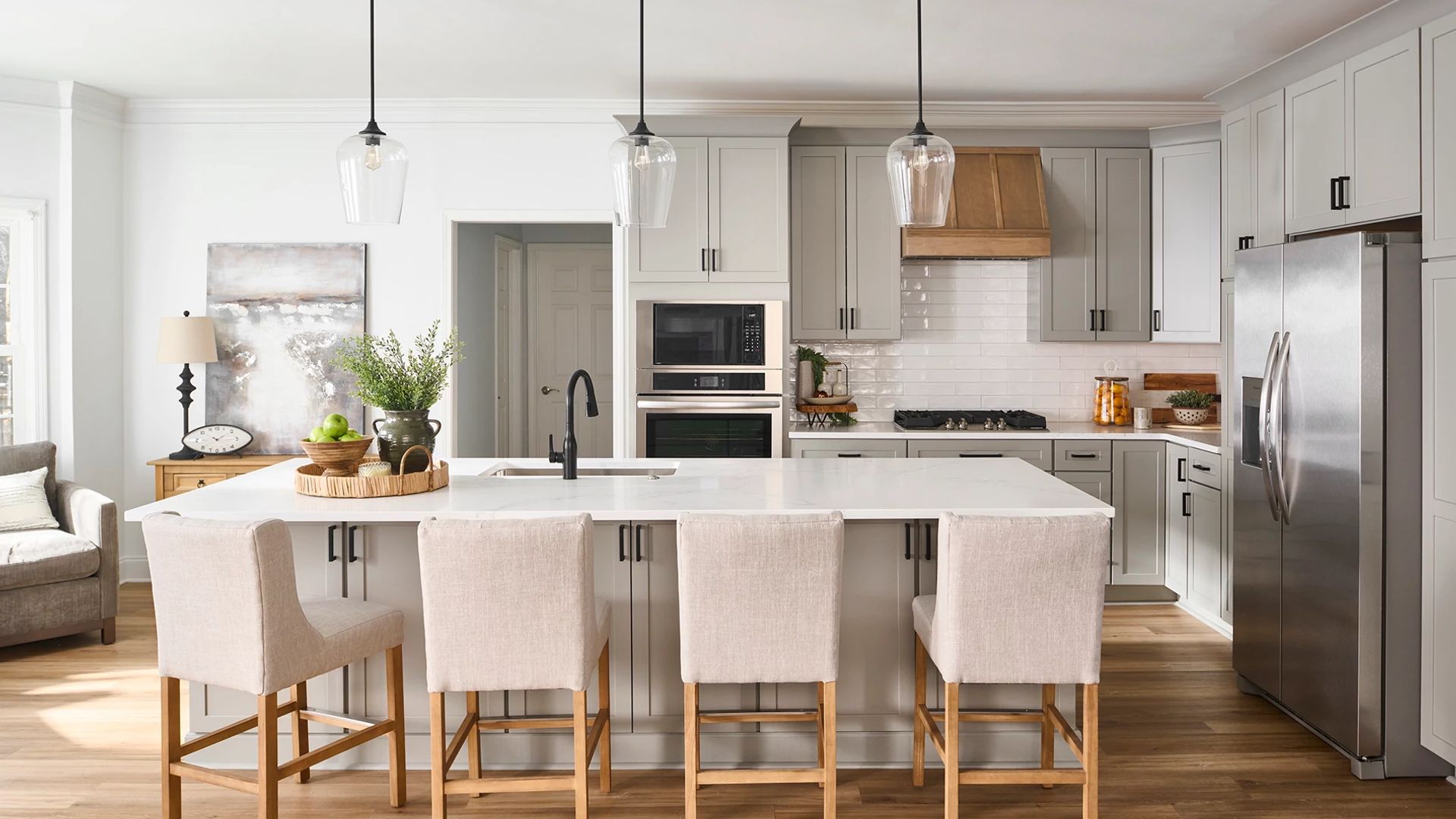
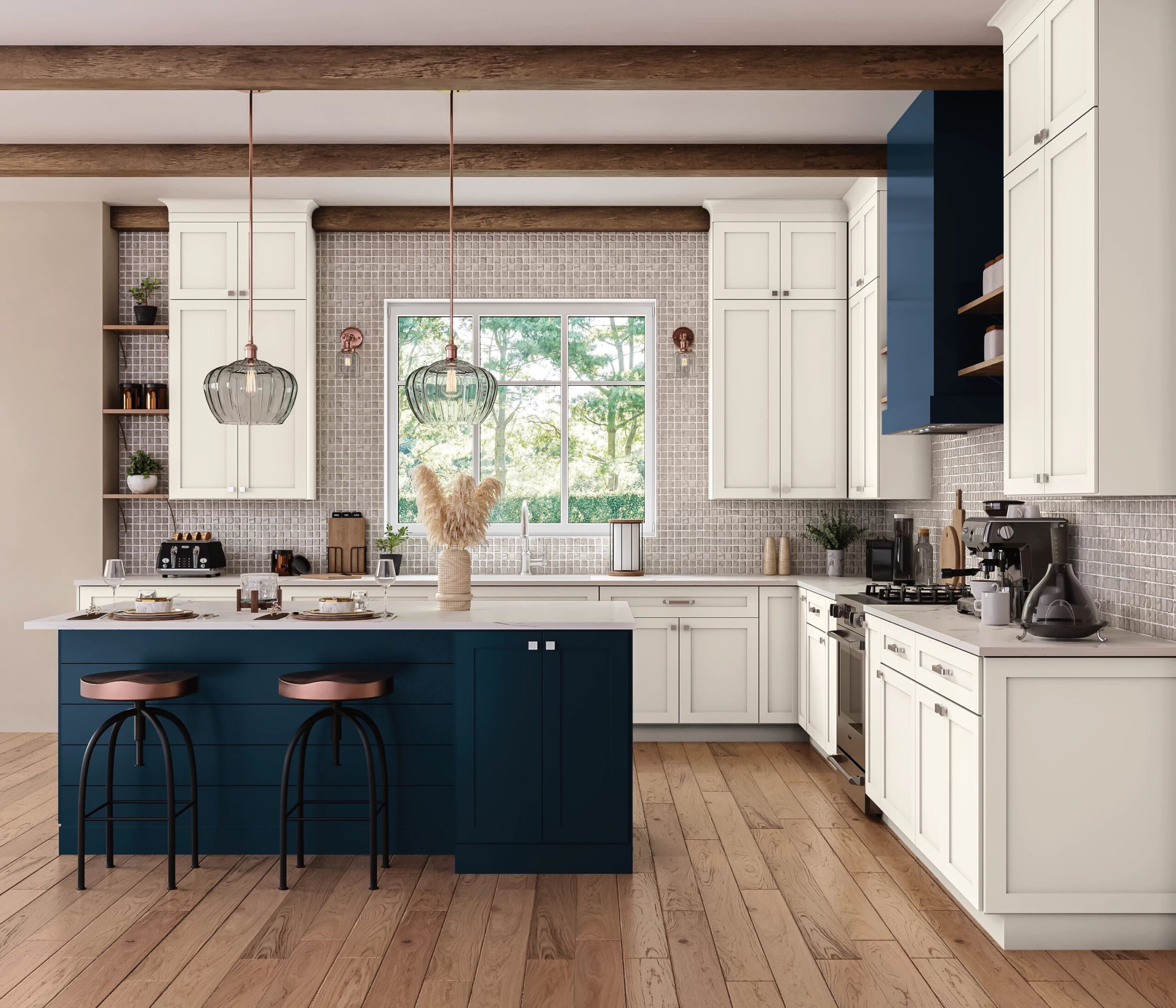
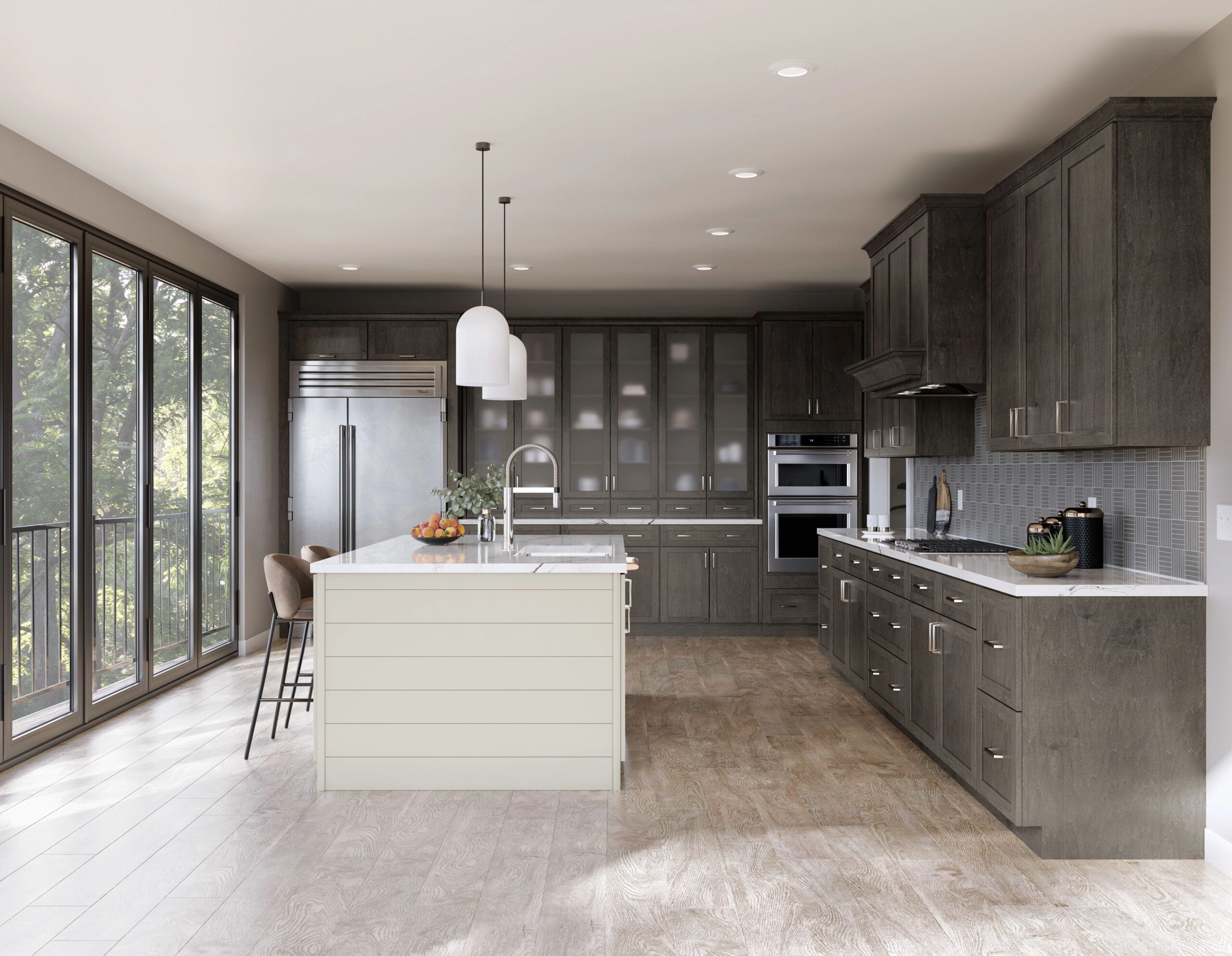
Ready to start planning your dream kitchen island? We’re here to help! Contact us today for a consultation, and let’s work together to design a space you’ll love to live and cook in. Until then, enjoy these photos of islands designed to be just the right size for the space.